

Carina Blåfield, the Chief Editing Consultant of Find the Right Word Editing Services, has written an Editing Tips Blog Post to alert all Readers to the problem of BLOAT (Bothersome Lazy Overuse of Acronyms and Titles).
If you didn’t spot the errors in the sentence above, you are not following good writing guidance on capitalization. Read on to find out how to fix this, and not be lazy (by which I mean writers who err on the side of capitalization because they don’t want to look up the rules).
Too much capitalization makes your text much harder to read. Think of the capital letters as constant interruptions to the flow of your sentence. If they are not absolutely grammatically necessary, do not default to them.
Acronyms and initialisms use all caps, but when spelled out, only proper nouns need to be capitalized. So, the IMF is the International Monetary Fund, but SUV is a sport utility vehicle, IP is intellectual property, and ADR refers to an adverse drug reaction . You would be amazed at how often I see Sport Utility Vehicle.
Further, you should only use acronyms and initialisms when absolutely necessary. Otherwise, you end up with “alphabet soup,” the sludge of letters that no reader wants to wade through: The RCT found that LIT administered by HCWs reduced BMI in PED patients, leading to improved QOL compared to TAU.
Jane Smith is the Chief Operating Officer of Big Brain Operations, right? No.
CMS, APA, and Canadian Press style all agree that Jane Smith is the chief operating officer of Big Brain Operations, or, she is Chief Operating Officer Jane Smith. If the title comes after the name, it is lower case, and if it directly precedes the name, it is upper case.
The communications department at SFU has a straightforward guide available online. It gives you a summary of the basic rules of capitalization: https://www.sfu.ca/communicators-toolkit/brand/guidelines/writing/editorial-style-guide/language-grammar/capitalization.html
For title capitalization, the handy tool https://capitalizemytitle.com will make your academic writing life easier. It tells you when to lower case those pesky prepositions, and knows the pedantic differences between MLA and CMS rules.
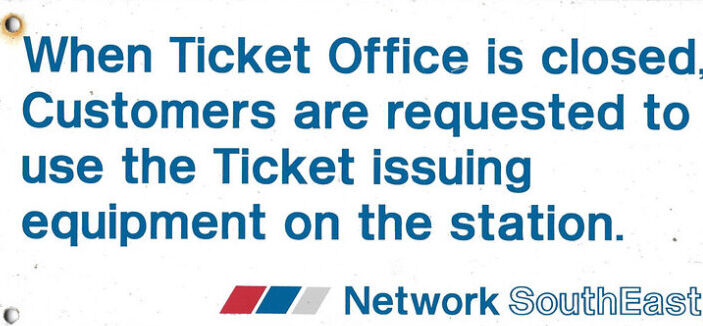
[…] Too much capitalization. […]