
Before you can edit, you must write, and the struggle of the blank page can be real. Whether you are stuck on the concluding chapter of your thesis or the opening paragraph of your memoir, you need to break the creative paralysis.
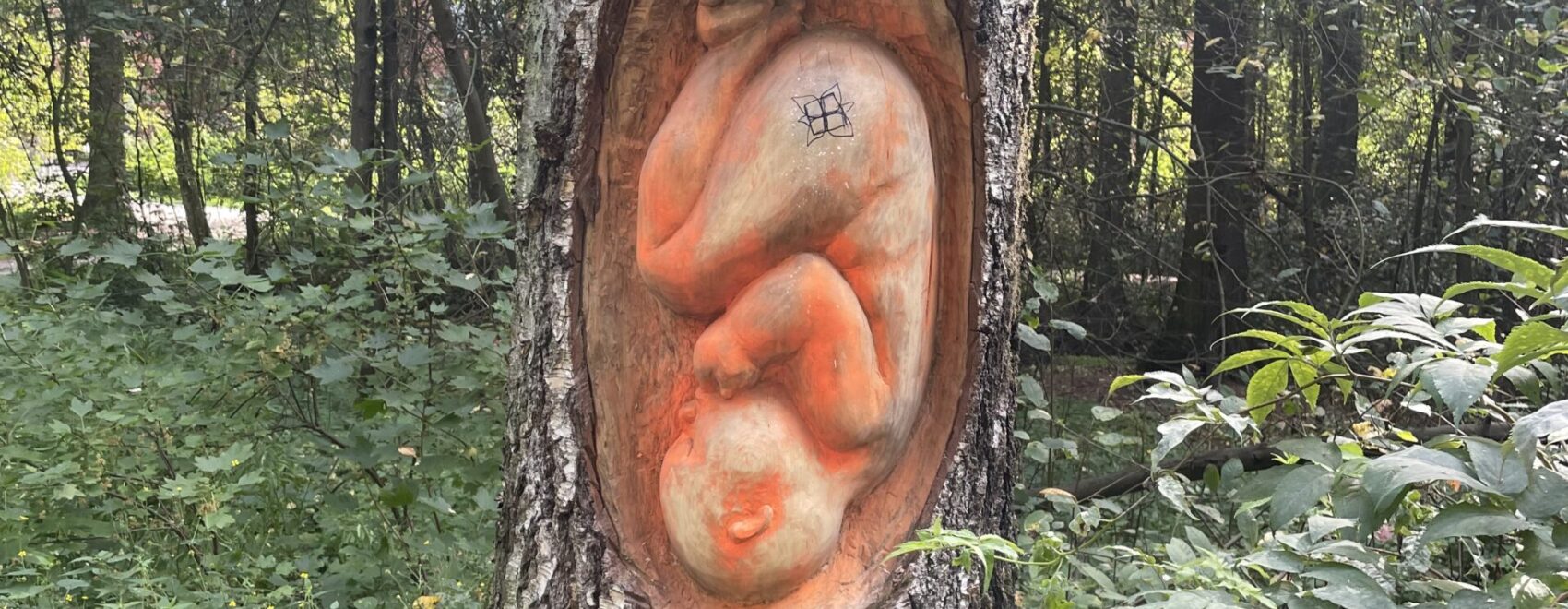
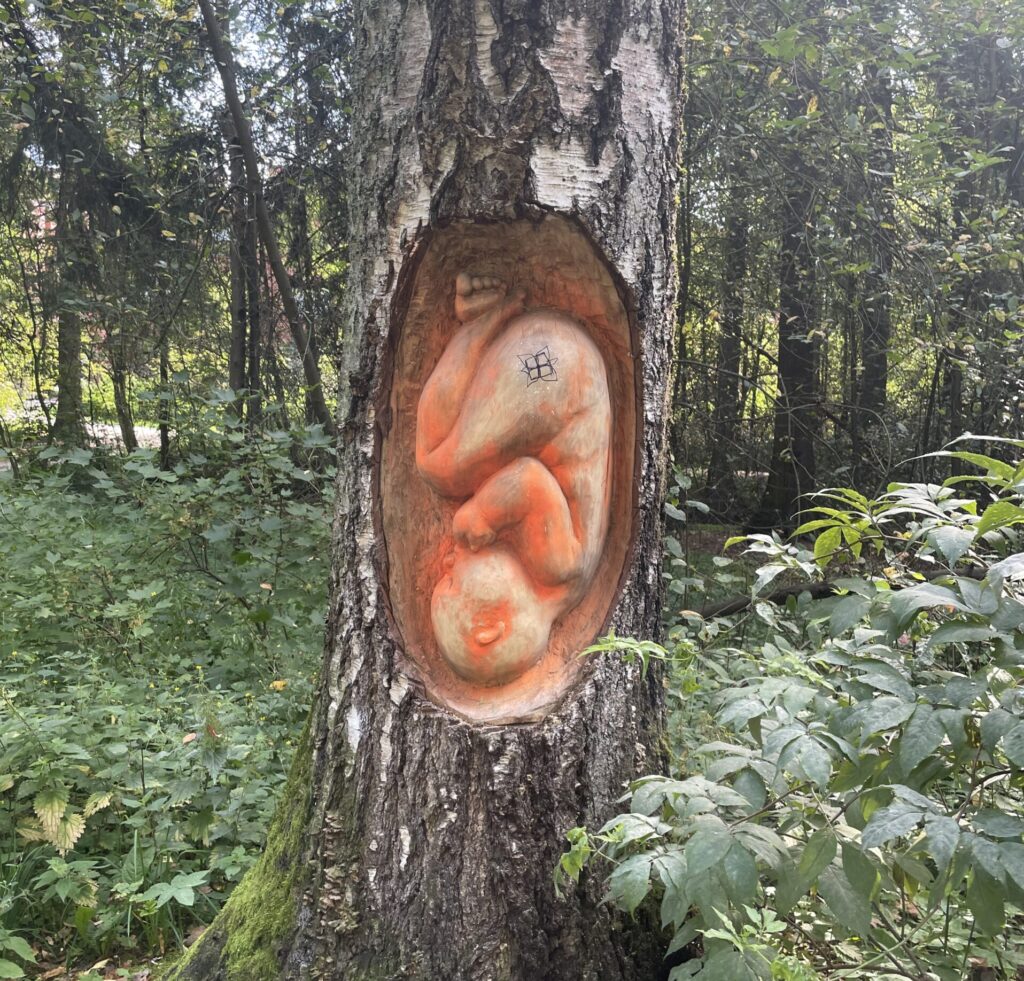
Step away from your laptop, and go outside. Take a walk in a setting that invigorates you, and snap a few photos: of the forest, of the dogs on the trail, of the urban jungle around you. Do not listen to music or a podcast, but let your thoughts roam free. When you get back home, sit down with a pad of paper and a pencil, look at the photo, and write down how it makes you feel. That simple creative act can be affirming. The photo at the top of this page was taken on a forest walk in Helsinki. That carving—and the act of biking quietly through the forest after seeing it—allowed my thoughts to flow and spark all sorts of creative storylines.
Do you see what I see below?
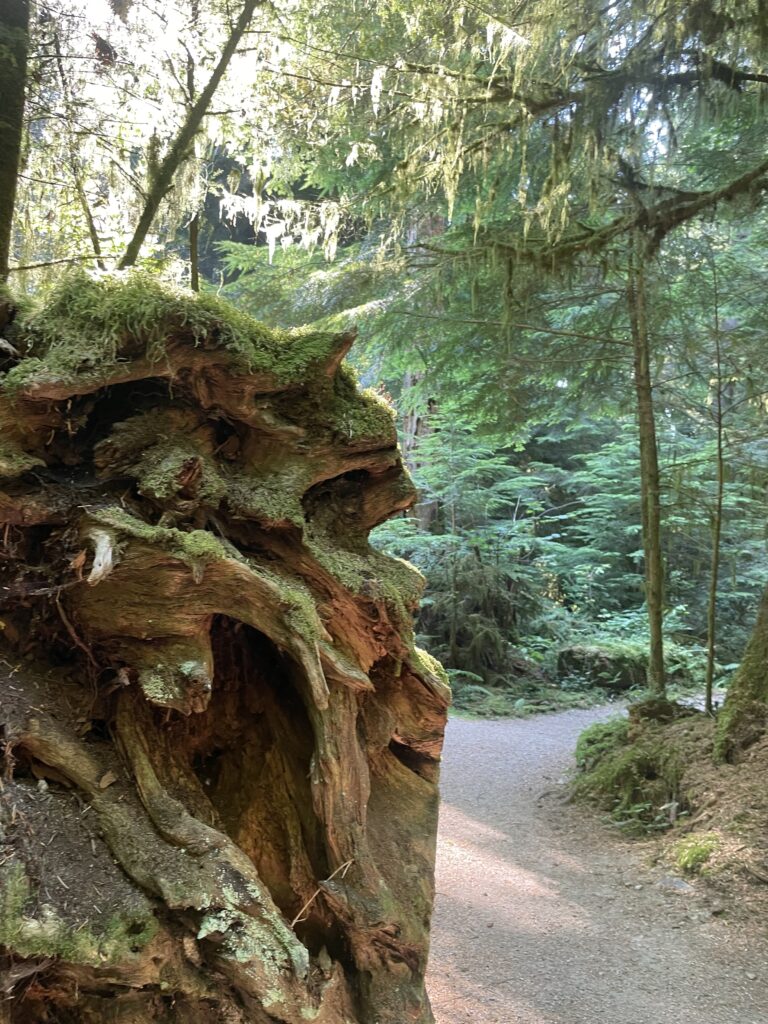
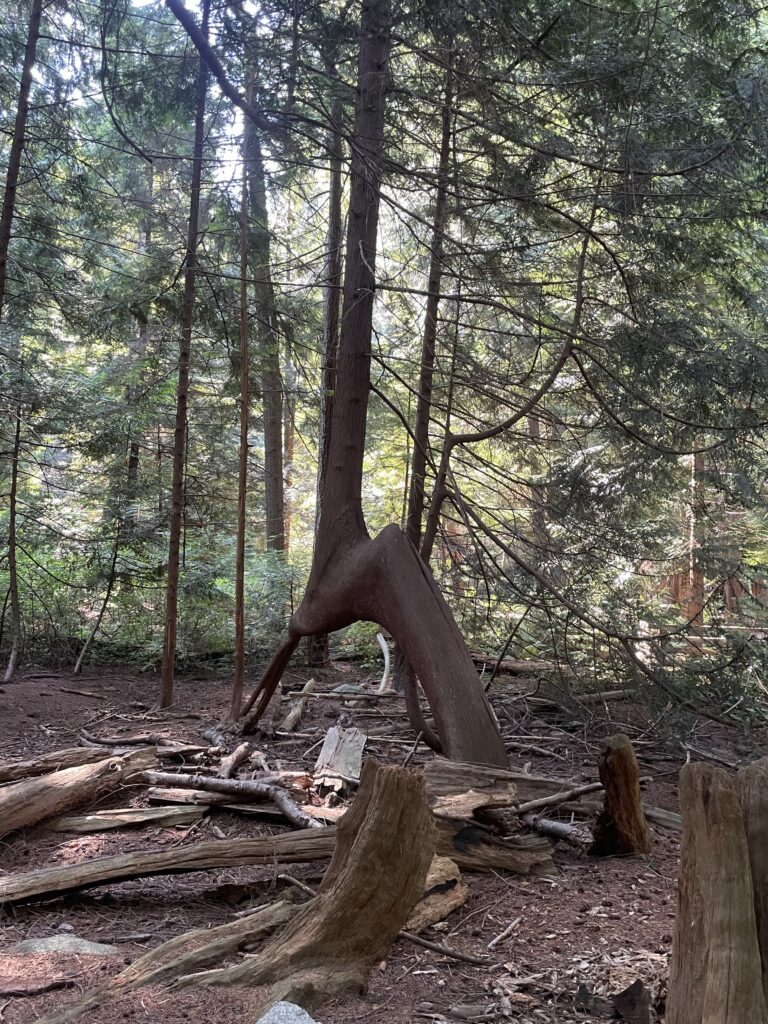
As a writing tutor for teenagers and young adults, I always start with short, personalized prompts to get into the writing groove. We look at a photo that has meaning to the client, and write a haiku—the gateway poem accessible to all. From there, ideas for a short story or personal essay can emerge.
I am also a great believer in summer photo and writing competitions as great ways to stay engaged with the creative process. Nothing like a clear prompt, a deadline, and the possibility of a prize! Here are a few local competitions that are running this summer:
https://historicplacesdays.ca/contests/ Take a photo of a historic place that speaks to you, write a caption, and post it on Facebook or Instagram. Prizes include cash and Parks Canada merch.
https://www.nvdpl.ca/library/teen-writing-contest Open to teens in North Van, the topic this year is metamorphosis. If your submission wins, they publish it as a book at the library. How cool is that?
https://www.nytimes.com/2026/04/21/learning/our-17th-annual-summer-reading-contest.html This one is a writing/reading combo, because you have to read something in The New York Times, and then write about it (very short, 250 words) or make a video (90 seconds). The short length and clear template make this a very easy entry point to submitting something. And (hurray!) they are making students submit in Google docs, to avoid AI use.
Getting outside and enjoying some activity is a habit of mine when I am dealing with writer’s block, working on a new story concept or working through a writing deadline. It always gets make creativity flowing. Often I will take my notebook with me and sit down in a peaceful setting to start writing or jot down notes / creative prompts that pop into my head along the way.
I’ve seen people writing in notepads in the forest before, and wondered if they were having a creative moment. Writing in a notepad is in itself so much more satisfying than tapping out something on your phone. Thanks for the comment!